Do I need an attorney for a protective order in Oklahoma?
You are not required to have an attorney to file or respond to a protective order but having one can make a significant difference. The process can be emotional and complex, and even small mistakes can affect the outcome. Our protective order attorneys in Oklahoma City help ensure filings are accurate, deadlines are met, and your rights are fully protected during hearings.
What’s the difference between a protective order and a restraining order?
In Oklahoma, a protective order is issued by the court to protect someone from domestic violence, harassment, stalking, or threats of harm. It’s often used in family or intimate partner situations. A restraining order, on the other hand, is typically part of a civil or family law case and is used to prevent certain actions, like disposing of property or contacting the other party. While the terms are sometimes used interchangeably, our protective and restraining order lawyers in OKC can help you determine which applies to your situation.
How long does the protective order process take?
The protective order process in Oklahoma usually begins with an emergency ex parte order, which can be granted the same day a petition is filed. A full hearing is typically scheduled within 14 days to determine whether a permanent protective order should be issued. The total time can vary depending on the court’s schedule, whether hearings are continued, and the complexity of the case.
How long does a protective order last in Oklahoma?
A protective order in Oklahoma can be a permanent order (also known as a final and continuous order) or can have an expiration date, depending on the court’s decision and the circumstances of the case. Some orders may be renewed or extended if the court believes continued protection is necessary. Our restraining order attorneys can help you understand your options for renewal, modification, or dismissal if circumstances change.
Does a protective order go on your record?
Yes, in most cases, a protective order becomes part of the public court record and can appear in background checks. However, the specifics depend on the outcome of your case and whether the order is granted, dismissed, or later expunged. If you’re concerned about the impact on your record, our protective order attorneys in OKC can explain your legal options and help you pursue expungement when possible.
How much does a protective order cost?
The cost of filing a protective order in Oklahoma can vary depending on your situation. While some seeking protective orders may qualify for fee waivers, others may be responsible for court filing or service fees. Our protective order lawyers in Oklahoma City are committed to clear communication about costs and options, helping you make informed decisions about your safety and legal protection.
Where does Ball Morse Lowe provide Protective Order services?
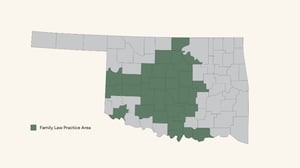
Our Family Law team serves 32 of Oklahoma’s 77 counties. Although our office locations are primarily in central Oklahoma – Oklahoma City, Norman, Edmond, and Stillwater.
We can accept Protective Order cases filed in the following counties: Beckham County, Blaine County, Bryan County, Caddo County, Canadian County, Carter County, Cleveland County, Comanche County, Custer County, Garfield County, Garvin County, Grady County, Kay County, Kingfisher County, Jackson County, Lincoln County, Logan County, Love County, Marshall County, McClain County, Murray County, Noble County, Okfuskee County, Oklahoma County, Pawnee County, Payne County, Pontotoc County, Pottawatomie County, Roger Mills County, Seminole County, Stephens County, Washita County









.png?width=300&name=Website%20Small%20Images%20(12).png)
.png?width=300&name=Header%20Images%20(16).png)

.png?width=300&name=Website%20Small%20Images%20(9).png)